Artificial turf had future, but now banned: ‘Development stalled’
NOS Soccer–
After two decades of arguing, grumbling and bickering, the Eredivisie CV made the decision yesterday: artificial turf is going under a ban. As of the 2025/26 season, the highest level in the Netherlands will only be played on natural or hybrid pitches.
For some, the disappearance of artificial grass is a relief, for others artificial grass was just a godsend. But first: how did the fake chips make their appearance in the Netherlands?
200,000 piers
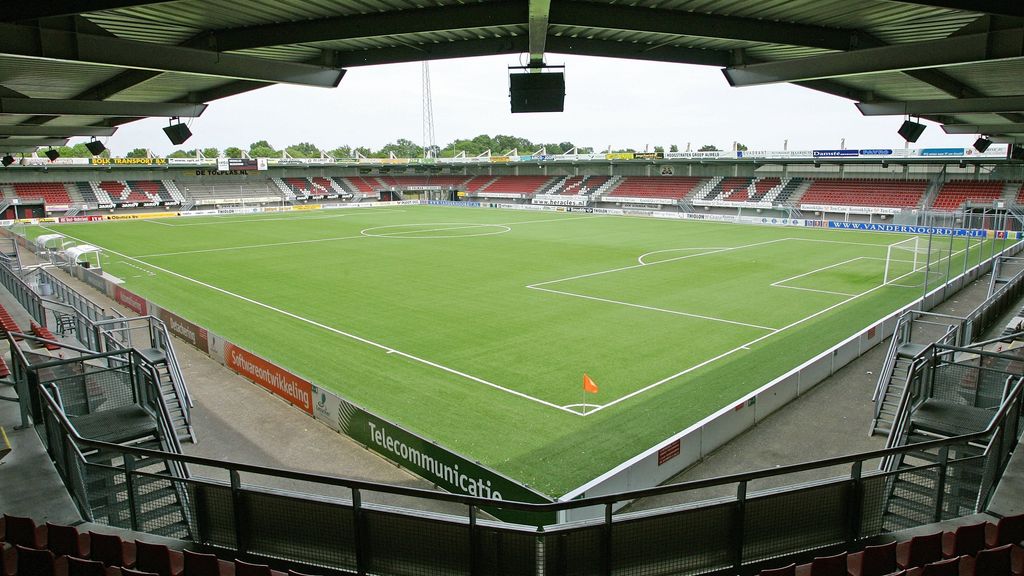
Twenty years ago, Heracles Almelo were at their wits’ end. What to do with the poor turf in the Polman Stadium? Due to a lack of sunlight, the grass would not grow.
“We tried all kinds of things, all kinds of experts went to have a look,” looks back at then chairman Jan Smit twenty years later. “We even put 200,000 piers on the field, but to no avail either.”
In the end, the club then playing in the first division made a rigorous decision: as the first professional club, Heracles Almelo switched to artificial turf.
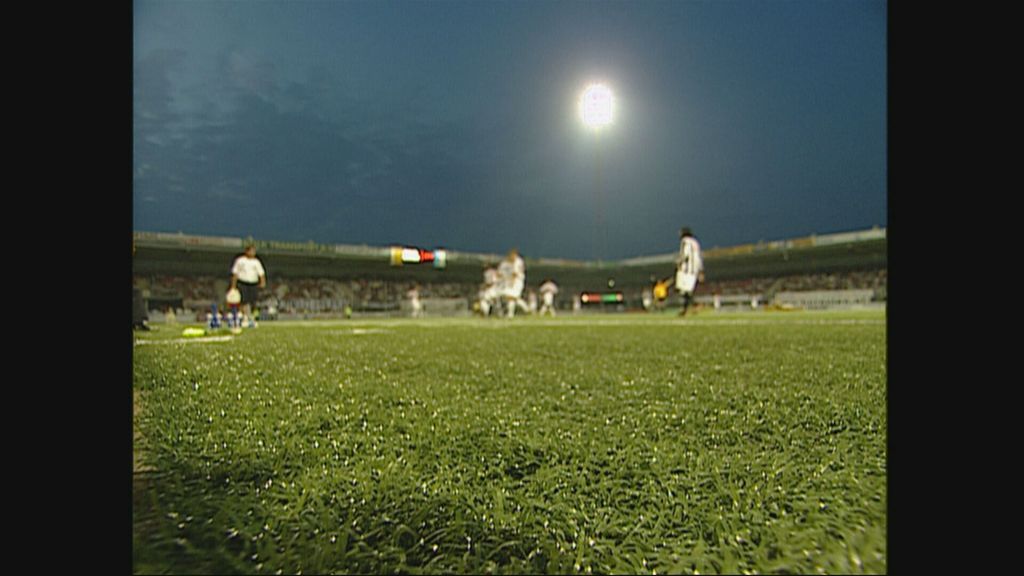
From the archive (2003): ‘I think artificial turf is the future’
A practice match with Willem II in 2003 is the baptism of fire for the fake chips. “I think this is the future,” Smit says on that night. Enthusiastically, the chairman lists the benefits: “Lower maintenance costs, being able to play soccer all year round, inviting foreign clubs, organizing tournaments.”
Gertjan Verbeek, then still at the beginning of his coaching career, is equally enthusiastic. The coach likes well-groomed soccer. “And that is possible here twelve months a year. I find it a pleasure to watch.”
Of course, it takes some getting used to for the players. “It’s kind of like Velcro. If you dive, you don’t slip. But if you fall, it’s as soft as pillows,” says goalkeeper Brian van Loo. And the opponent is also positively surprised. Willem II coach Mark Wotte: “This pitch is a very good asset, although a good natural grass pitch remains best.”
Heracles was a trendsetter in 2003. All the clubs in professional soccer came to Almelo to watch, and there was also a lot of interest from abroad, Smit says.
The chairman saw how his club especially in his own country gets a lot of followers. “At one point, almost the entire first division and about six clubs from the premier league were playing on artificial turf.”
Invariably at the bottom
The benefits are obvious, but there are also complaints. Players’ union VVCS conducts an annual poll of captains of all clubs, giving grades to the fields. Invariably, artificial turf clubs dangle at the bottom of the rankings. Some injury-prone players refuse to play on artificial turf.
“90 percent of the players don’t want it anymore,” said AD journalist Sjoerd Mossou on Studio Voetbal in 2017. “Every player and every trainer that matters, they want to get rid of artificial turf.”
Watch the discussion between Mossou and Smit in this video:
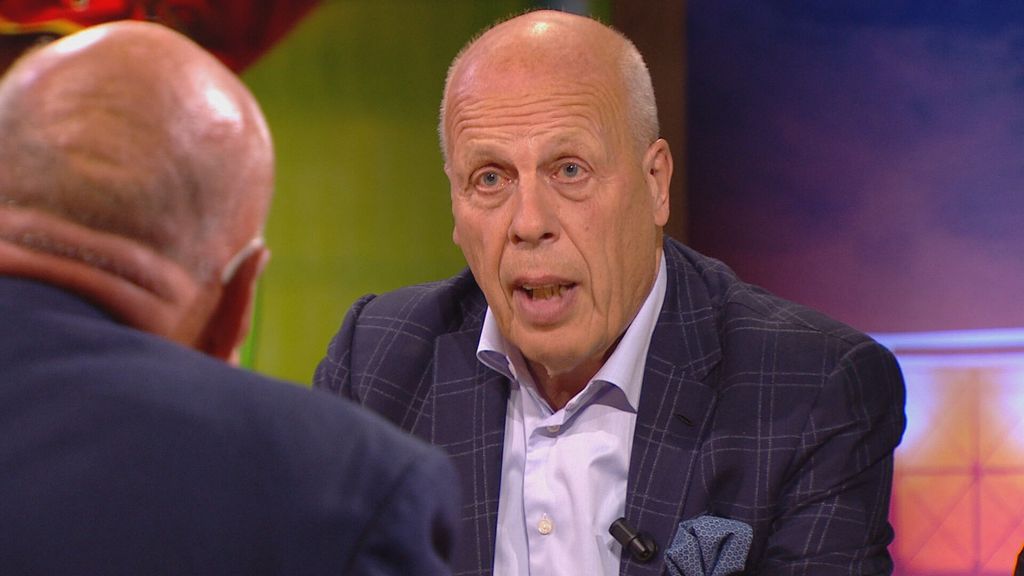
Discussion on artificial turf: ‘All the players who matter don’t want it anymore’
“But scientific research has shown that actually fewer injuries occur on artificial turf,” says Smit, who sighs, “They kept coming up with new criticisms.”
“The ball speed would be different on artificial turf, they said. That too has been shown not to be the case.”
There are now about 2,000 artificial turf fields at amateur clubs in the Netherlands, mainly because they can be played on indefinitely throughout the year. But in the premier league, artificial turf is now going under wraps. Smit, who swapped Heracles for the KNVB supervisory board in 2017, thinks it’s a shame that artificial turf hasn’t made it into the premier league.
“In February, when it has frozen for five days in a row, you never hear anyone complain about artificial turf,” Smit says. “On natural grass then you see blubbering matches and matches have to be canceled. If you look at how bad the fields of, say, FC Groningen or FC Utrecht are now…”
Hybrid
Smit expects Heracles, which will return to the highest level next season after its first division championship, to switch to a hybrid turf. That is a combination between natural and artificial spikes.
“The development of artificial turf has kind of stood still, while hybrid turf has improved considerably.”
“UEFA regulations simply state that you can play on artificial turf,” Smit knows. “I’m curious though, what happens if a premier league club does start playing on artificial turf after 2025. I wonder if they can really ban it.”